


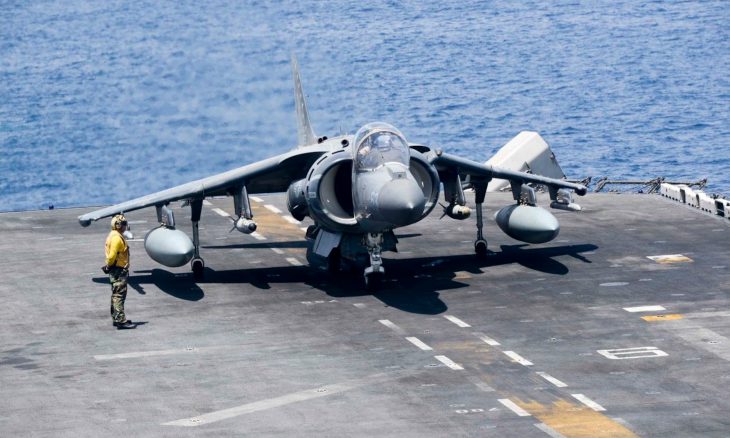
Evaluating United States funding, authority, and accountability in modern military conflicts.
PRAY FIRST for those in federal leadership as they consider the cost and sustainability in national defense and military operations.
As each has received a gift, use it to serve one another, as good stewards of God’s varied grace. Peter 4:10
Discussions about military conflict often focus on strategy, diplomacy, and outcomes, yet another dimension unfolds behind the scenes: the financial cost. War carries expenses that extend far beyond the battlefield, shaping budgets, policy decisions, and long-term commitments. Understanding how these costs are calculated, and who authorizes them, helps clarify how military actions intersect with fiscal responsibility.
Estimates of wartime spending typically start with direct operational expenses. These include troop deployment, equipment, transportation, fuel, and logistics. Personnel costs also play a major role, covering pay, benefits, and support services. Analysts often add replacement costs for worn or damaged equipment, as well as intelligence and surveillance operations. These short-term expenses can rise quickly during active conflict and fluctuate depending on the scope of the mission and duration.
However, the total cost of war extends well beyond immediate operations. Long-term obligations frequently include veterans’ health care, disability compensation, education benefits, and ongoing military readiness adjustments. Interest payments on borrowing used to finance conflicts can also add substantially to overall costs. Because these obligations unfold over decades, estimates can vary depending on assumptions about future care, inflation, and interest rates. As a result, the full financial picture of war often becomes clearer only years after major operations conclude.
These expenses must be funded within the federal budget. Military conflicts are typically financed through a combination of regular defense subsidies and supplemental funding bills. Tax revenues, including income taxes and other federal receipts, contribute to overall government resources used for defense spending. When expenditures exceed revenues, the government may borrow, increasing deficits and adding to the national debt. In this way, deficit spending can distribute the cost of conflict over time rather than condensing it in a single fiscal year.
Funding decisions also reflect constitutional roles. Congress holds the authority to allocate funds and declare war, while the president serves as commander in chief and directs military operations. In practice, presidents may initiate limited military actions under existing authorities, but sustained operations generally require congressional funding bills. Even when emergency or contingency funds are available, Congress maintains oversight through reporting requirements, hearings, and allocation decisions. This shared responsibility creates a system in which both branches influence wartime financing.
Supplemental allocations often play a significant role in funding ongoing conflicts. These measures allow lawmakers to provide additional resources outside the standard budget cycle, particularly when operational needs change rapidly. While supplemental funding can offer flexibility, it also raises questions about transparency and long-term planning. Oversight mechanisms, including audits, inspector general reports, and congressional review, are intended to track how funds are used and whether programs meet stated objectives.
Measuring the cost of military operations over time requires ongoing estimates. Analysts examine troop levels, equipment usage, fuel costs, and contracting expenses. Costs may rise with expanded missions or increased personnel, and decline when operations scale back. Exchange rates, supply chain disruptions, and technological requirements can also influence spending. Because these factors change, daily or annual cost estimates remain fluid rather than fixed.
Looking ahead, policymakers often face the challenge of balancing defense needs with fiscal sustainability. Military readiness requires resources, yet long-term commitments, both operational and financial, must also be considered. Budget planning, therefore, involves assessing risks, evaluating priorities, and determining how defense spending fits within broader fiscal goals. This balancing process stresses that the cost of war is not solely a military question, but a policy decision shaped by both authority and accountability.
Recent Federal Defense Spending Changes
Federal defense spending in 2025 and 2026 rose noticeably, driven by higher appropriations, modernization priorities, and major authorization laws. The overall trend was upward, with 2026 marking one of the largest defense budgets ever approved by Congress.
The FY 2026 (Fiscal Year) Defense Appropriations Act provided about $838.7 billion, most of it for the Department of Defense. This increase supported shipbuilding, munitions production, service member pay raises, and expanded procurement authorities. The House’s version of the bill was slightly lower at $831.5 billion, but both chambers emphasized modernization and readiness.
The FY 2026 National Defense Authorization Act (NDAA) authorized roughly $900 billion in national defense spending when including nuclear programs and related national security accounts. It introduced reforms to acquisition processes, expanded counter‑UAS initiatives, and strengthened industrial base investments. It also included major quality‑of‑life improvements, such as a 3.8% pay raise for all service members and an additional 10% raise for junior enlisted personnel.
Policy changes in 2025 and 2026 centered on accelerating modernization of the nuclear triad, expanding unmanned and autonomous systems, and increasing production of critical munitions. Congress also broadened multiyear procurement authority to stabilize supply chains and encourage long‑term industrial investment.
Legislation such as the Consolidated Appropriations Act, 2026 ensured continuity of defense funding after procedural delays and incorporated the Defense Appropriations Act into a larger spending package. This helped maintain momentum on procurement and readiness programs.
Across both years, the strategic rationale for higher spending was consistent: competition with China and Russia, the need to replenish munitions stockpiles, and the push to modernize aging systems. Personnel costs also rose due to pay increases and expanded family support programs.
The combined effect of these laws was a defense budget that grew not only in size but in structural commitments, particularly long‑term procurement, industrial base expansion, and modernization of high‑end capabilities.
Why It Matters and How We Can Respond
The financial dimensions of military conflict can seem distant, yet they influence long-term budgeting, national priorities, and commitments extending across decades. Understanding how these decisions are made encourages prudent reflection rather than quick conclusions. When costs unfold over time, careful consideration becomes especially important.
The Bible offers a reminder about counting costs before undertaking significant commitments: “For which of you, desiring to build a tower, does not first sit down and count the cost, whether he has enough to complete it?” (Luke 14:28). While spoken in a different context, the principle encourages deliberate planning and awareness of lasting consequences.
Prayer also helps shape perspective. We can ask God to give His wisdom to the leaders responsible for authorizing military action and allocating resources. We can pray for service members and their families, who experience the personal dimensions of these decisions. And we can ask for humility in our own conversations, that they remain constructive and steady.
“Commit your work to the Lord, and your plans will be established” (Proverbs 16:3). Decisions involving conflict and cost carry weighty implications. Prayer invites a stance that seeks discernment, steadiness, and wise consideration.
HOW THEN SHOULD WE PRAY:
— Pray for those in federal defense agencies to seek responsible stewardship of resources during national defense decisions. Commit your work to the Lord, and your plans will be established. Proverbs 16:3
— Pray for leaders to seek measured and gracious public conversations about military funding and federal policy. Gracious words are like a honeycomb, sweetness to the soul and health to the body. Proverbs 16:24
CONSIDER THESE ITEMS FOR PRAYER:
- Pray for federal leaders to thoroughly evaluate long-term obligations following conflicts.
- Pray for accountability at all levels of government and through the leaders in the Department of Defense regarding wartime spending and oversight.
- Pray for wisdom for congressional leaders in balancing defense needs and fiscal responsibility.
Sources: Office of the Under Secretary of Defense, Congress.gov, Office of the Under Secretary of Defense, Senate.gov, House.gov, Military.com, Govetrack.us
RECENT PRAYER UPDATES